In Costa Rica, people don’t talk about summer and winter but about two seasons: the dry season, which Costa Ricans call verano, and the green season, invierno. The thermometer barely moves: on the central Pacific coast it is warm all year round, and the ocean is pleasant in every season.
So there is no bad time to come to Playa Palo Seco, only different kinds of trips. Here is how to choose.
The dry season, from December to April
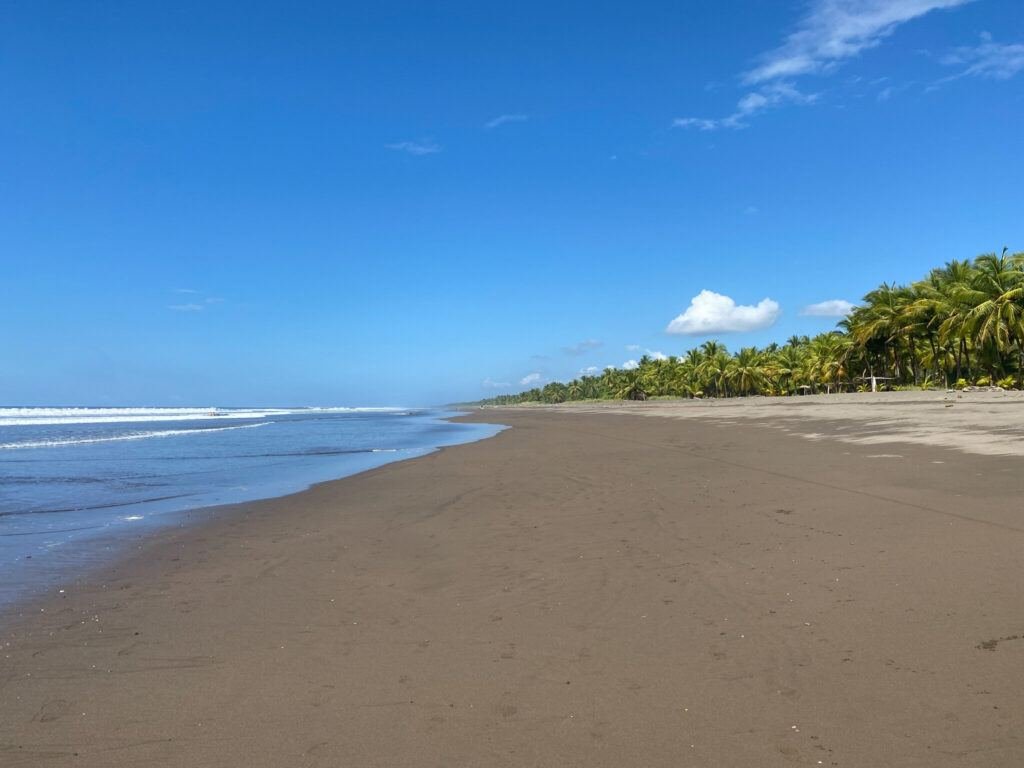
This is the most sought-after period. Skies are clear, rain is rare and afternoons are hot. Roads and trails are accessible everywhere, which makes excursions easy, and sunsets over the Pacific are almost a daily event.
The flip side: it is also the high tourist season. The year-end holidays and Holy Week, in March or April depending on the year, draw many travellers, Costa Rican and foreign alike. The vegetation also turns a little yellow after weeks without rain.
Good to know. For a stay between 22 December and 3 January, book as early as possible: it is the busiest time of the year, and our cancellation terms are stricter then (60 days before arrival). See our rates and seasons.
The green season, from May to November
The name says it all: with the rains, the forest turns a vivid green, rivers swell and waterfalls are at their finest. The pattern is often the same: sunny mornings, then heavy but refreshing showers in the late afternoon or evening.
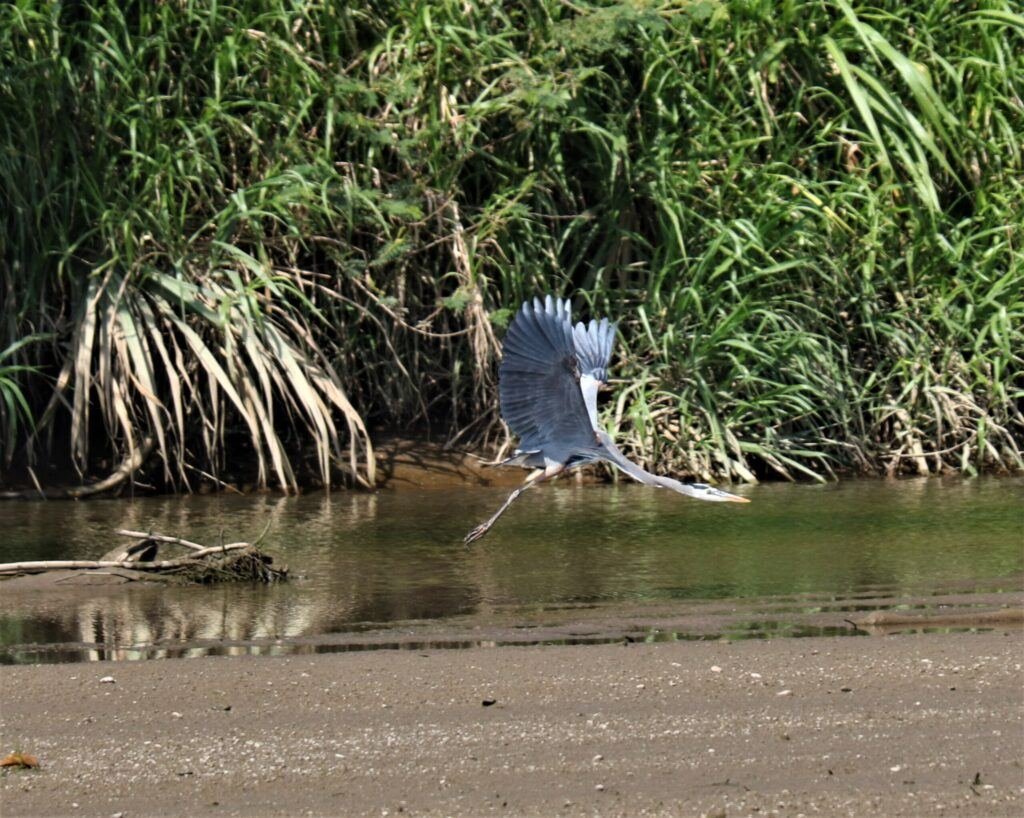
It is an ideal season for nature lovers who enjoy peace and quiet: fewer people at the sites, very active wildlife and beautiful light. Simply head out in the morning and keep the afternoon for a nap or a book.
The climate month by month
- December and January: the rains end and everything is still green. The holidays make this the busiest period of the year.
- February to April: the heart of the dry season, with plenty of sun and heat. Expect crowds around Holy Week.
- May and June: the first rains return, usually in the afternoon. Nature turns green again and there are fewer travellers.
- July and August: a lull in the rains, the veranillo, often makes these months pleasant. A good option for summer holidays.
- September and October: the wettest months on the Pacific. The region is at its quietest: ideal for resting, less so for back-to-back excursions.
- November: the rains gradually ease, the landscape is lush and crowds are still moderate.
Whales, birds, sunsets: what each season brings
Humpback whales visit the Pacific coast in two periods: from roughly December to April, for whales from the northern hemisphere, then from roughly late July to October, for those from the southern hemisphere. Marino Ballena National Park, south of Parrita, is the best place to see them.
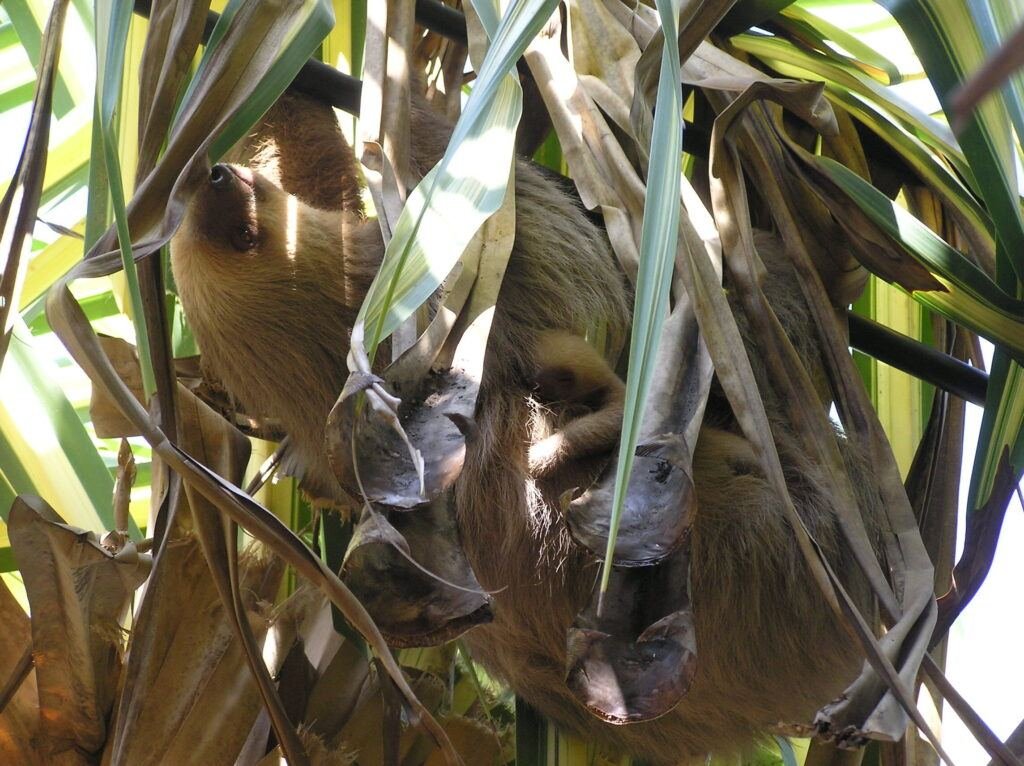
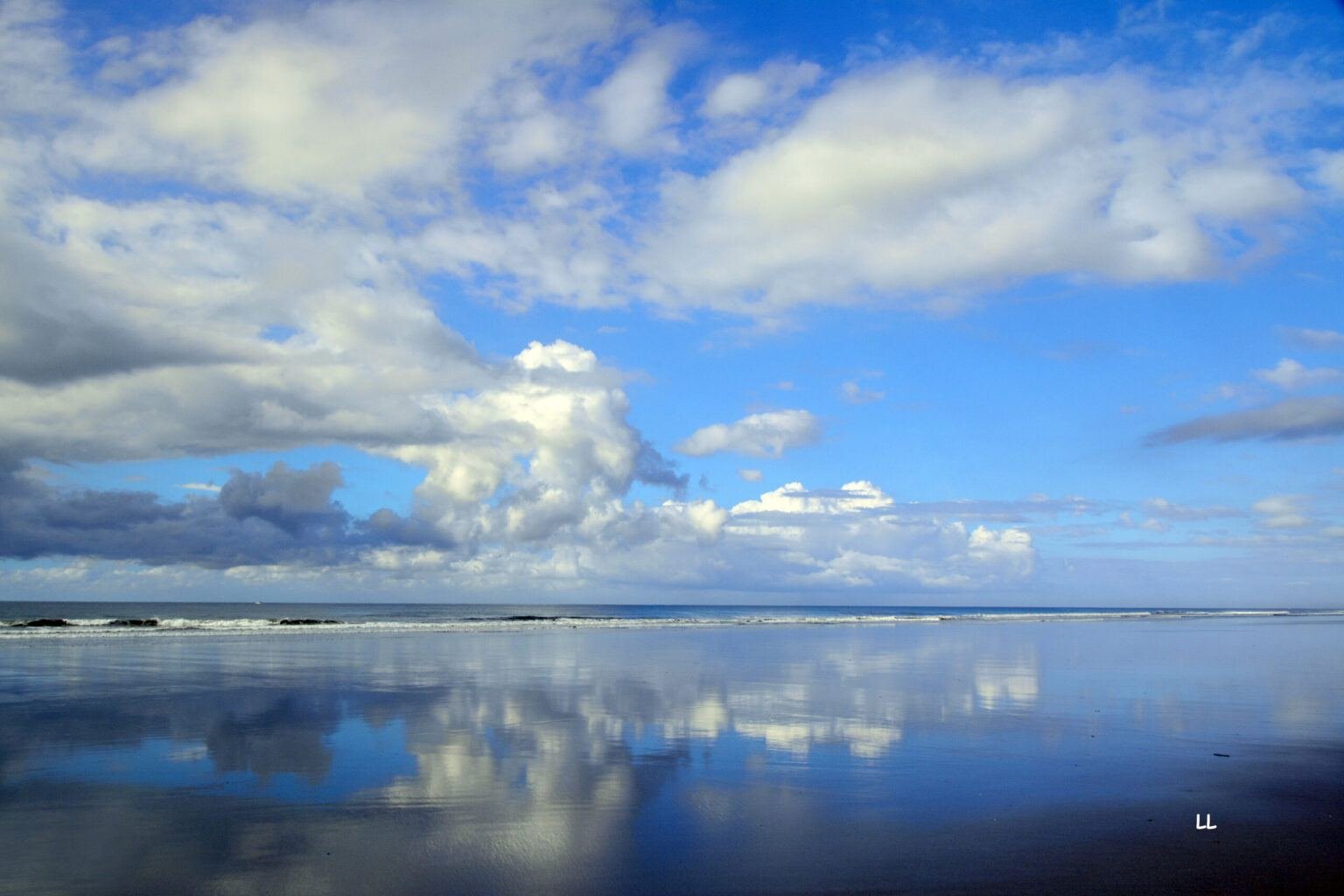
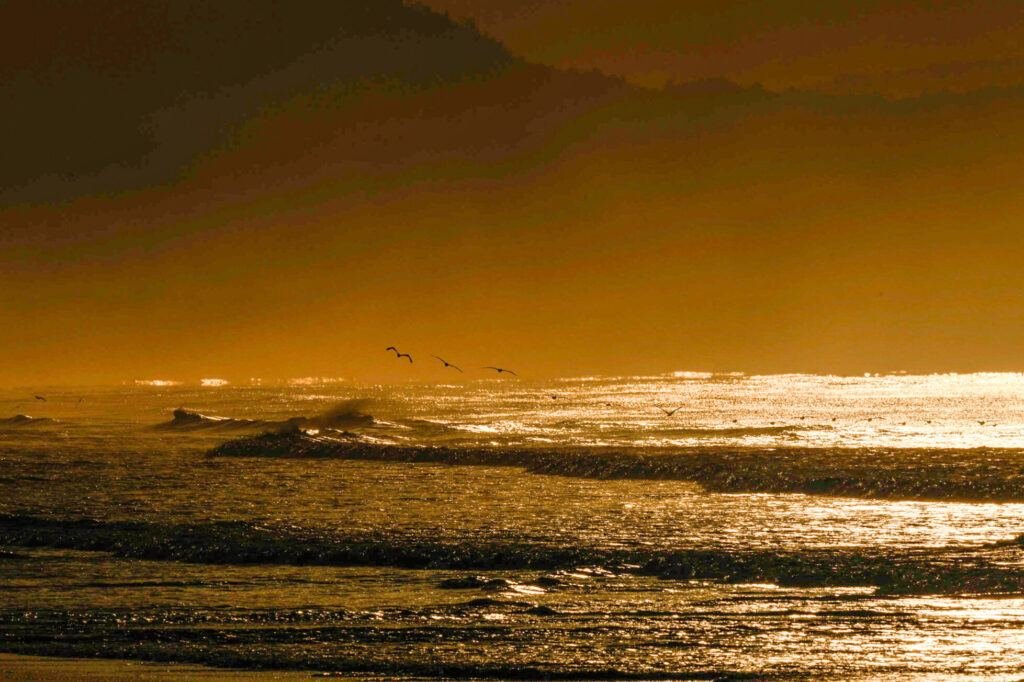
Birds are present all year round in the mangrove and the forest, and Carara’s scarlet macaws know no season. As for sunsets, they are more reliable in the dry season, but the stormy skies of the green season often produce the most spectacular ones.
What to pack
- Light, breathable clothes in linen or cotton, and a light sweater for the evenings.
- A light rain jacket or poncho from May to November.
- High-factor, ocean-friendly sunscreen, a hat and sunglasses.
- Insect repellent, especially for the mangrove and the forest.
- Sandals for the beach and shoes with a good grip for the trails.
- Binoculars: they turn every outing into a safari.
Our advice: stay a little longer
Whatever the season, the Pacific coast is best discovered without rushing. Many of our guests stay a week or more, alternating excursions and restful days as the weather allows. To prepare your trip, read also how to get from San José to Playa Palo Seco, then write to us: we will gladly advise you on the best time for what you have in mind.